Human genetics and genomics have a profound impact on individuals, families, and communities. By showcasing narratives highlighting the potential of genetic research, ASHG seeks to honor those who participate in research and underscore the real-world implications of scientific inquiry. Hearing the voices of patients and their families can help members of the genetics and genomics research community better understand and meaningfully communicate the power of research and scientific innovation. Human genetics and genomics research improves the lives of millions of families, whether that be through lifesaving treatments or simply the renewed hope for an improved future for those living with genetic diseases that do not yet have a treatment. Robust federal research funding for NIH is critical to realize the potential of genetic research to understand, prevent, diagnose, and treat disease.
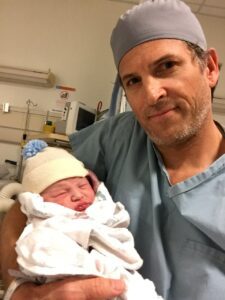
We spoke with Justin West, MD, a physician and father, about his son Andrew’s ultra-rare genetic condition: KCNT1-related epilepsy, a seizure disorder caused by mutations in the KCNT1 gene. Motivated to find answers for his son and other children, Dr. West founded the KCNT1 Epilepsy Foundation to bring the voices of parents and families to researchers, clinicians, and drug developers who are working on treatments for KCNT1-related epilepsy.
What led you to participate in genetic research?
Dr. Justin West: My son, Andrew, was born with an ultra-rare disease that leads to hundreds of daily seizures, developmental arrest, and a laundry list of symptoms impacting most organ systems. These seizures are drug-resistant, with most patients continuing to seize despite using 5 or more concurrent anti-seizure medications. At the time of his birth, there was limited research, and only two early-stage drug development programs. Andrew has a de novo gain-of-function mutation of the KCNT1 gene. When we received this diagnosis, we were told that it was a good thing. When I asked how it would impact his treatment, I was told it wouldn’t. As a two-surgeon family, we are used to managing diagnoses that have solutions. This felt like an unequivocally bad thing, so we decided that we would need to get involved and influence Andrew’s fate.
How has your participation in research impacted you and your family?
JW: One of the main benefits of participating in research is that it gives us a sense of purpose instead of feeling powerless. We actively support existing research programs by providing blood and skin samples. We have started research programs to address unknowns in the KCNT1 landscape. We have made tremendous strides for our families by breaking down silos and 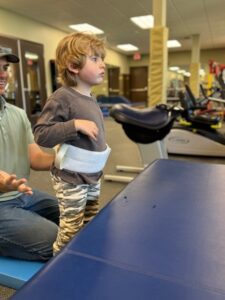 getting our scientific collaborators to work together virtually, sharing pre-print data and insights to minimize duplicative work and accelerate the pace of discovery. And we have facilitated numerous collaborations between academics and industry to drive therapeutic development. In doing this work, we feel we are less at the mercy of others – their interests, their timetables, their perception of appropriate endpoints, and risk tolerance. We feel more empowered to help Andrew and the children in our community.
While research has not helped Andrew yet, it holds a promise for the future. We are putting all our faith into the process to find a cure. Andrew now has cells all around the world in labs run by researchers who have never met him. We have built a network of people to help push the process forward: those engaged in understanding the genetics of his disease, those translating that understanding to therapeutics, and others learning what genetic models can provide insights into treatment toxicity and effectiveness. So truly, a global community is part of Andrew’s contribution.
What have been the positive outcomes of your participation in the research study/gene therapy?
JW: The material support we have provided to numerous academic programs around the world has led to the development of preclinical assets that are available to a broad network of researchers and industry collaborators. Our patient registry and digital natural history are rich sources of data that industry partners need. The work we have done to participate in these initiatives as a family and to recruit others from our community to participate in them through the Foundation has contributed to the disproportionate attention KCNT1 has received over the past several years. In 2017, there were two drug discovery programs; now we have more than a dozen.
How do you see your role as an advocate for human genetics & genomics research?
JW: As the President of our KCNT1 Epilepsy Foundation, I believe it is my responsibility to educate and empower our community about the benefits of participating in genetic research. I also believe it is my responsibility to motivate our community to participate by leading from the front. Our family personally participates in every initiative we put forth to our community. We donate blood. We donate skin. We answer every survey in our registry. And we volunteer to meet with every researcher and industry partner who wants to learn more about the lived experience of KCNT1.
What would you want a researcher who studies genetics to know about what research means to you?
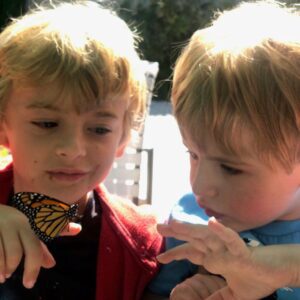 JW: Genetic diseases like KCNT1 cause destruction and chaos to families that you can’t understand unless you’ve experienced it. Jobs are lost. Healthy children are ignored. Friendships fade. And dreams are shattered. The only hope that families like ours have comes from the few who dedicate their time and hard-won expertise to uncover the mechanisms of rare diseases and identify therapeutic opportunities to potentially change or save the lives of patients they are unlikely to ever meet. I would like everyone doing this work to know that the millions of families living with rare genetic diseases like KCNT1 are full of gratitude.
How can members of the human genetics and genomics community contribute to raising awareness around research for genetic diseases?

JW: Based on personal experience, one valuable contribution from the human genetics and genomics research community would be to develop a translational roadmap that clarifies the research process and what comes after a genetic diagnosis. Families receive a piece of paper with a genetic mutation – what comes next? For example, creating guides titled “10 Things to Know About Your Disease” or “5 Things to Know about a Clinical Trial” to explain concepts like gain-of-function or loss-of-function mutations, how genetic models are chosen for translational applications, or what parents should be asking before enrolling a child in a research study. Moreover, providing guidance on identifying labs at the forefront of specific types of research and trustworthy sources of information is crucial. Solving the challenges posed by rare diseases requires the concerted efforts and collaboration of researchers around the world and the families impacted by the condition.
Special thanks to Justin West, MD, for sharing his family’s story and to Sharon Terry, Chief Executive Officer of Genetic Alliance, who helped to facilitate this connection.